Quotes

by Ecostar Business

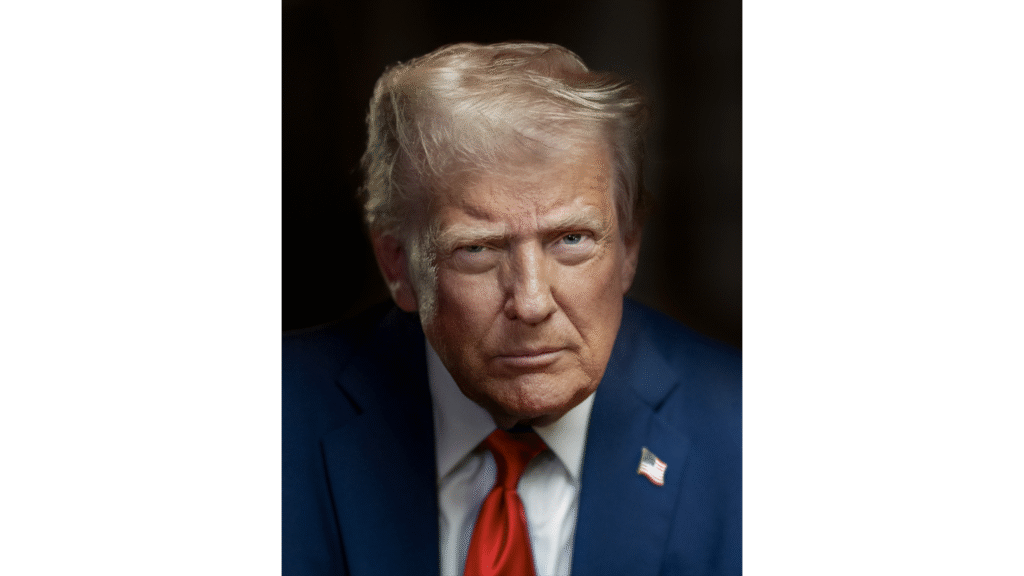
“My administration is unleashing the power of American enterprise like never before.  For every new regulation forced onto the books, ten others must be eliminated, which frees entrepreneurs to build without being restrained by endless red tape.  We are restoring full and immediate expensing for business research and development, and we are supporting innovation in emerging technologies like crypto and blockchain—initiatives that give entrepreneurs the tools they need to compete and win.  We are preserving the 199A small business deduction, a policy that is generating billions in economic growth and creating more than a million Main Street jobs.”
Donald Trump
US President

“Our defence production, which was only around ₹46,000 crore in 2014, has now increased to a record ₹1.51 lakh crore, of which ₹33,000 crore has been contributed by the private sector. Our defence exports, which were less than ₹1,000 crore 10 years ago, have touched a record approx. ₹24,000 crore. I’m confident that defence exports would reach ₹30,000 crore by March 2026. We recently launched the Defence Procurement Manual 2025, and work is underway to revise the Defence Acquisition Procedure 2020.”
Rajnath Singh 
Defence Minister

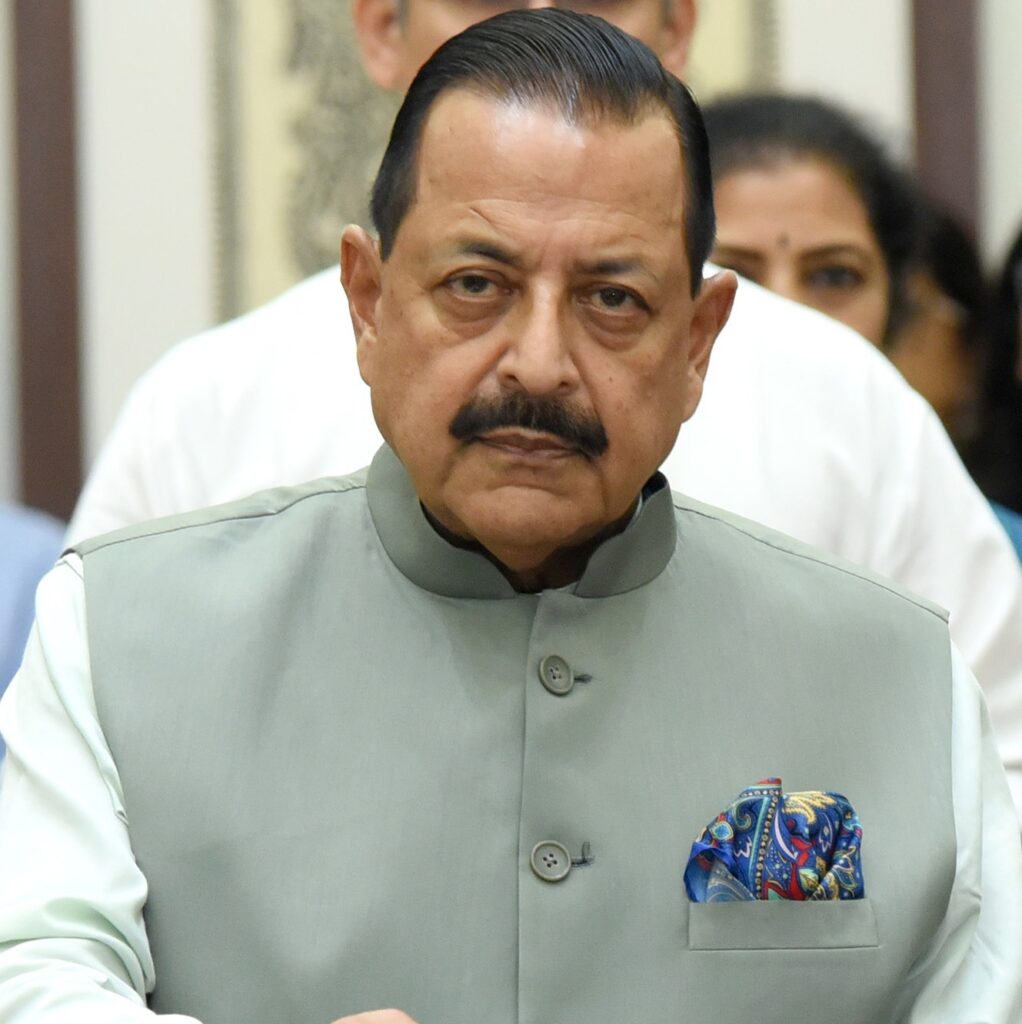
“The age of silos is over. We have moved towards collaboration across biotechnology, medical research, agriculture, and data-driven science. BRIC now partners not only with other science departments but also with IITs, medical institutions, and private industry to accelerate innovation.”
Dr. Jitendra Singh 
Union Minister for Science, Technology, Earth Sciences
Projects like XSIO Park ONE – NORTH demonstrate Maharashtra’s commitment to building world-class infrastructure across emerging cities, not just metros. Such investments propel inclusive growth, create jobs, and make Maharashtra the most trusted destination for global investors.
Devendra Fadnavis
Chief Minister of Maharashtra
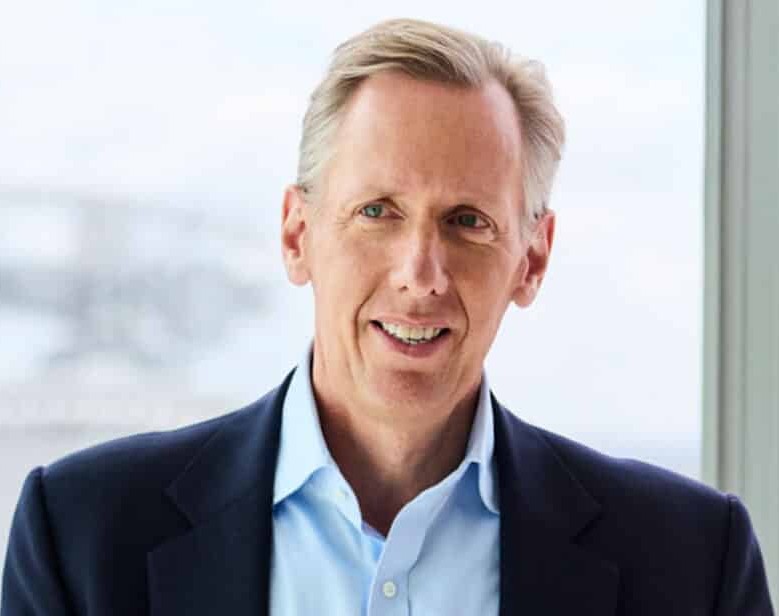
Years of focus on operationally intensive investing is at the heart of Advent’s track record of helping nurture and grow innovative, world-class businesses.”
James Brocklebank
Managing Partner, Advent International

“This listing is the realisation of one of India’s most ambitious transformation journeys in financial services. In just four years, Piramal Finance has pivoted from a wholesale lender to a retail-focused, technology-led institution that serves the spirit and aspiration of a rising Bharat. Our purpose is clear: to make financial access easier, dependable, and transparent for millions. The listing marks an important milestone in our journey, and with it comes a renewed responsibility to our stakeholders — the most promising chapters of Piramal Finance still lie ahead.”
Anand Piramal
Chairman, Piramal Finance
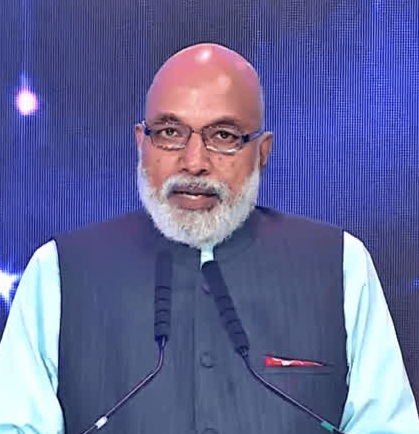
“The Ramoji Excellence Awards are a tribute to the spirit of relentless endeavour that our Founder Chairman, Padma Vibhushan Sri Ramoji Rao, stood for throughout his life. Through these awards, we seek to recognise individuals who embody the same values – integrity, innovation, courage in thought, and an unwavering commitment to societal good. It gives me immense happiness to see his vision continue to inspire new generations of changemakers.”
Kiron
Chairman & Managing Director, Ramoji Group

“The world doesn’t need more conferences; it needs convergence — of ideas, people, and intent. The World Leaders Summit is where vision meets action. Our mission is to ensure that young leaders, innovators, and policymakers sit at the same table to shape the roadmap for a sustainable and equitable world.”
Vikash Sorout
Chairman, World Leaders Forum
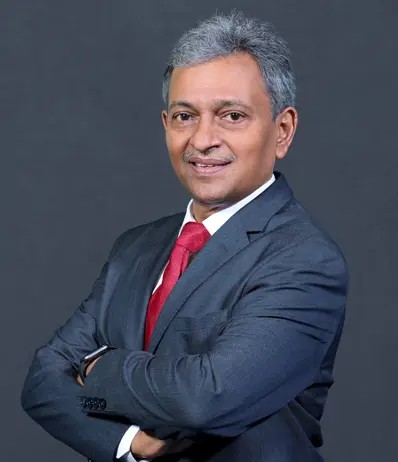
“India is on the cusp of a manufacturing revolution. The establishment of the Phillips Manufacturing Expertise Centre will play a transformative role in realising our nation’s aspirations to be a global manufacturing leader. By combining technology, talent, and innovation, Phillips is setting the stage for Indian manufacturers to compete confidently in the international arena. This is not just a milestone for Phillips, but a step forward for India’s manufacturing ecosystem.”
Basavraj P. Kalyani, Executive Director, Bharat Forge
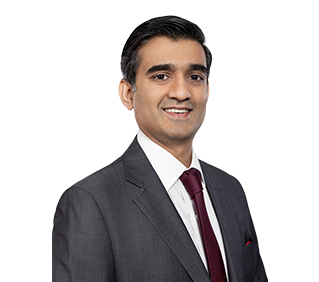
 “We leased 1.5 msf this quarter to marquee names, occupancy climbed to 93 per cent, and we delivered our highest quarterly distributions since listing. As we scale our development pipeline and evaluate further growth opportunities, we remain steadfast in our commitment to build enduring value for all our stakeholders.”
Amit Shetty,
Chief Executive Officer, Embassy REIT

Stories

Critical investor in AI

SoftBank, owned by Masayoshi Son, sold its entire stake in Nvidia, the world’s largest chipmaker and one of the world’s most valuable companies. Last month, SoftBank reported a net profit of $16.2 billion for the quarter ended September 2025, which is a 50 per cent increase compared to the same period last year. The actual figures were more than double the estimates provided by analysts. Hence, as a private equity investor, its exit from those that brought solid profit is natural.

SoftBank, which is building its position in the AI sector, sold 32 million shares. It is divesting from other segments to invest more in the AI sector, having invested over $30 billion in OpenAI alone.

SoftBank’s huge exposure to OpenAI led to more than double its share value. The steep increase in its price has compelled its management to go for a 4:1 stock split. It had also diluted its stake in T-Mobile and mobilised $9.2 billion in recent times. Huge profits from Vision Funds with tech heavyweight have encouraged it to take a bigger position in the AI segment. It has become a critical player in a segment that is shaping humanity’s future.

UPI: Two foreign apps dominate

In a policy note titled “Policy Options for Mitigating Concentration Risk on UPI”, India Fintech Foundation (IFF) warned the government and Reserve Bank of India (RBI of the risks of two UPI apps controlling a lion’s share of transactions. The Foundation also made suggestions to avert the concentration risk while expressing serious concerns about the growing dominance of two digital payment apps. It said that RBI and National Payment Corporation (NPCI) had proposed a 30 per cent cap on market share to reduce this dominance. But the effective date for implementation has been pushed back.

At the same time, NPCI reportedly discussed issues such as specialised incentive structures for small players and a reservation system for third-party apps with payment industry executives last year. RBI Deputy Governor Rabi Shankar, in the previous year, said, “It will be for the market to decide. The market forces have to play out such that this percentage is more evenly divided. We will not be interfering in the market process to ensure the 30 per cent cap.” RBI appears not to be so concerned about anyone capturing a lion’s share of the market, as they are merely third-party service providers. 

PhonePe and Google Pay are currently the dominant players in India’s UPI market. PhonePe, which holds the largest market share in UPI payments, was founded by Indian entrepreneurs Sameer Nigam, Rahul Chari, and Burzin Engineer. Now, Walmart and General Atlantic own a combined 84 per cent stake in PhonePe.

Founded in December 2015, it is the first payment app built on UPI in India, and it went live in August 2016. Months after its launch, Flipkart acquired a stake in the company. In 2022, after Walmart took over Flipkart, PhonePe came under the former with a majority stake. Currently, Walmart owns 75 per cent of the payment app, and General Atlantic holds nine per cent. Google Pay is the second-largest player, and Paytm ranks third. The combined share of PhonePe and Google Pay in UPI transactions now exceeds 80 per cent.  

Who was behind GPS spoofing?

GPS spoofing is not a new issue, and it has been a concern for airlines and defence systems in countries like India since spoofing mainly occurs along the Indo-Pak border. Earlier this month, the Ministry of Civil Aviation and the Directorate General of Civil Aviation (DGCA), India’s navigation regulator,  held meetings to address the incidents after a spoofing incident across the Indo-Pak border, mostly in the Jammu and Amritsar regions, that caused flight delays from New Delhi on November 7, 2025. The Airports Authority of India (AAI) stated a technical glitch in the Automatic Message Switching System (AMSS). That was not the first time the Indian airport faced such glitches. Such instances were noticed multiple times in domestic and international flights. More than 460 GPS spoofing incidents were reported in the border region. DGCA has reportedly collected data on GPS spoofing and interference to understand the situation.

India takes this concern seriously and works on preventive measures by promoting a multi-layered approach, which includes cross-verification with the indigenous NavIC system and other global systems such as Galileo and GLONASS. While Galileo is Europe’s global navigation satellite system, working as a civilian-controlled counterpart and interoperable with the US GPS, GLONASS is a Russian satellite navigation system operating as part of a radionavigation-satellite service. The European and Russian navigation systems also work similarly to the GPS, the US navigation system.

India is enhancing its ground-based navigation infrastructure and implementing advanced technologies, including AI-based anomaly detection and encrypted signals. The country is actively promoting the use of NavIC while also upgrading traditional ground-based systems, such as the Instrument Landing System (ILS), to reduce reliance on satellite systems. While integrating with Indian GPS, India is also developing anti-spoofing technology by investing in indigenous systems that can detect spoofing. Indian efforts also include designing encrypted and authenticated signals.

Investors, be cautious

The Bombay Stock Exchange (BSE) has recently identified instances of unsolicited messages regarding A-1 Ltd (scrip code: 542012). The Exchange has advised investors to exercise caution and avoid making decisions based on recommendations from unauthorised and unregistered entities. This includes communications received through WhatsApp, Telegram, SMS, phone calls, and other social media platforms. It also warned investors against falling into pitfalls from claims of high or guaranteed returns from trading in the securities market through its social media platforms, such as YouTube, Telegram channels, WhatsApp, Instagram, and X (formerly known as Twitter).

BSE recently found someone using the photos of senior BSE officials to create fake social media IDs. The IDs claim to provide a wealth advisory solution to mislead gullible investors. However, no BSE official is allowed to initiate or endorse any wealth management or advisory services in any capacity. BSE only advises investors and the public not to be misguided by such fake misrepresentations. It has advised investors and the public not to rely on stock recommendations from fake social media accounts. Investors must verify the source of information before making any investment decisions.

Investors are also advised to interact only with registered intermediaries whose list is available on the websites of the Securities and Exchange Board of India (SEBI) and BSE. The Exchange communicates only through its website (www.bseindia.com) and BSE’s social media handles @bseIndia – Instagram, @bseIndia – Facebook, @BSEIndia – LinkedIn, @BSEIndia – X (Twitter), and @BSEworldBSEIndia – YouTube.

Food and farmers

How the government protects

The government has approved the procurement plan for pulses and oilseeds in Telangana, Odisha, Maharashtra, and Madhya Pradesh for the Kharif 2025–26 season. The total approved procurement amount for these states is pegged at ₹15,095.83 crore, which will immensely benefit lakhs of farmers across the respective states.

The government has granted these approvals under the Pradhan Mantri Annadata Aay SanraksHan Abhiyan (PM-AASHA) and other schemes of the Ministry of Agriculture and Farmers’ Welfare during a high-level virtual meeting with agriculture ministers and senior officials from these states.

After detailed discussions, Union Agriculture Minister Chouhan approved the procurement of 4,430 metric tonnes (MT) of moong (green gram), accounting for 25 per cent of Telangana’s total production, under the Price Support Scheme (PSS) at a cost of ₹38.44 crore. A 100 per cent procurement of urad (black gram) will be undertaken, while 25 per cent procurement of soybean has also been approved. Similarly, in Odisha, 18,470 metric tonnes of arhar (red gram), representing 100 per cent of the state’s production, has been approved under PSS with a budget allocation of ₹147.76 crore.

In Maharashtra, the government will procure 33,000 metric tonnes of moong (green gram), 3,25,680 metric tonnes of urad (black gram), and 18,50,700 metric tonnes of soybean under PSS at a total cost of ₹289.34 crore, ₹2,540.30 crore, and ₹9,860.53 crore, respectively. In addition, during the Kharif 2025–26 season in Madhya Pradesh, soybean procurement of 22,21,632 metric tonnes will be implemented under the Price Deficiency Payment Scheme (PDPS), with a financial implication of ₹1,775.53 crore. The procurements will ensure farmers better returns for their produce and safeguard their incomes while protecting them from market fluctuations. The record procurement of pulses and oilseeds in these states for the Kharif 2025–26 season will boost agricultural production, ensure assured income for farmers, and help achieve the goal of a Self-Reliant India.

The government has arranged for 100 per cent procurement of tur, urad, and masoor through NAFED (National Agricultural Cooperative Marketing Federation of India) and NCCF (National Cooperative Consumers Federation of India).

Science

New lead to the evolution of cool giant stars

Researchers traced a link between lithium-rich red giant stars and their enhanced helium abundance.

A study using data from the Himalayan Chandra Telescope and other archival data at the Indian Institute of Astrophysics (IIA) has traced a link between lithium-rich red giant stars and their enhanced helium abundance. The study gives a new lead to the evolution of cool giant stars along the red giant phase.

Helium is the most abundant element next to hydrogen and plays a crucial role in measuring the abundances of other key elements accurately. It also helps understand the structure and evolutionary history of stars.  The helium abundance in stars is measured using indirect methods as it is not directly observable from the star’s surface. The change in hydrogen and helium abundance is relative. If there is hydrogen reduction, helium is enhanced proportionally.

The researchers measured the abundance of hydrogen and noted any deviations from its standard value by comparing the magnesium abundances obtained from atomic and molecular spectral lines. These deviations in hydrogen abundance were then converted to the corresponding helium abundance using model atmospheres calculated for various hydrogen-to-helium ratios (He/H ratio). This method was also effectively employed by the team in a previous study to determine the helium abundance of the Sun.

“We applied this method to a sample of cool giant stars to study the correlation between the lithium and the helium abundances. This sample, consisting of 18 red giant stars and two super giant stars, was studied using high-resolution spectra obtained primarily from the Himalayan Chandra Telescope in Hanle, Ladakh, operated by IIA, as well as from the archives of various telescopes worldwide”, said BP Hema, lead author of the study published in Astrophysical Journal (ApJ) of the American Astronomical Society (AAS). “The key result of this work is that all the helium-enhanced red giants were found to be super-lithium rich, the exception being the super-giant star. But not all the lithium-rich giants are helium-enhanced. This suggests that the helium enrichment in the photosphere is accompanied by lithium enrichment in giant stars, as we had anticipated,” says Gajendra Pandey, co-author and professor at IIA.

Children’s Day package
Big data-packed BSNL plan

The 251 plan for a limited period includes high-speed 100 GB data, unlimited voice calls, and 100 SMS daily.

The public sector Bharat Sanchar Nigam (BSNL), India’s pioneering telecommunications provider, celebrated Children’s Day with an offer of a data-packed mobile plan for students. The 28-day plan of ₹251 with many features is available until mid-December 2025. The plan includes high-speed 100 GB data, unlimited voice calls, and 100 SMS daily. BSNL has recently launched a state-of-the-art 4G mobile network across India as part of the Make in India initiative. India is only the fifth Country in the world to develop 4G mobile network technology, and the national telecom company is actively engaged in its development and Rollout for quite some time.

The large data-packed plan offers students an excellent opportunity to experience an indigenously developed 4G mobile network for a full period of 28 days with data usage up to as high as 100 GB, says Robert J Ravi, CMD of BSNL “Once students experience a new BSNL 4G data services, we expect them to continue their association with us for a long time, as BSNL can assure excellent service quality and coverage,” believes.

DRDO’s new achievement

Autonomous Underwater Vehicles

The system will be ready for production in the next couple of months.

The Naval Science and Technological Laboratory (NSTL), Visakhapatnam, a part of the Defence Research and Development Organisation (DRDO), has successfully developed a new generation of man-portable Autonomous Underwater Vehicles (MP-AUVs) for mine countermeasure missions. The system comprises multiple AUVs equipped with Side Scan Sonar and Underwater cameras as primary payloads for real-time detection and classification of Mine-Like Objects.

The onboard deep learning based target recognition algorithms enable autonomous classification, significantly reducing operator workload and mission time. Moreover, a robust underwater acoustic communication system has been integrated to enhance inter-AUV data exchange during operations, ensuring improved situational awareness.

The field trials at NSTL-Harbour have successfully validated salient systems parameters and critical mission objectives. Multiple industry partners are involved in system realisation, and the system will be ready for production in the next couple of months. Secretary, Department of Defence R&D and Chairman of DRDO, Dr Samir V Kamat, termed the achievement as a major milestone towards a deployable, intelligent, and networked mine countermeasure solution. It provides a quick response capability while reducing operational risk and logistical footprint for naval mine warfare applications.

India’s growth story for global investors

Unmissable opportunities

“India is not just riding the tide; India is the tide,” says Dr Pemmasani Chandra Shekhar.

Global investors must co-author the story of India’s rise, says Union Minister of State for Communications and Rural Development, Dr Pemmasani Chandra Shekhar. Investing in India means engaging with the world’s largest rising middle class and becoming part of a growth story that will shape global business for decades. India’s transformation over the past decade stems from a deep mindset metamorphosis, he said while speaking at the Confederation of Indian Industry (CII) Partnership Summit in Visakhapatnam. The country’s progress was the result of deliberate policy, determined execution, and the unleashing of entrepreneurial energy under the visionary leadership of the Prime Minister. At present, India offers the potential of $25 billion opportunity in telecom component manufacturing, and he assured that the Ministry of Communications stands ready to fast-track approvals and support new investments. “India is not just riding the tide; India is the tide,” he said. The country has moved from the license-raj mentality to a trust-first approach, shifting from viewing entrepreneurs with suspicion to celebrating them as nation-builders.

India’s $1.4 trillion infrastructure investment, $26 billion PLI schemes, simplified labour laws, abolition of retrospective taxation, GST-led national market integration, and the Insolvency and Bankruptcy Code have transformed India from a consumer to a trusted global creator and partner. Dr Chandra Shekhar described Andhra Pradesh as one of India’s most promising investment destinations, crediting Chief Minister Chandrababu Naidu for building strong industrial ecosystems. Andhra Pradesh has emerged as a sectoral hub for various businesses.  Cyberabad for IT, Visakhapatnam for industry and fintech, Anantapur for automobiles, and Tirupati for electronics—supported by initiatives like Genome Valley that have strengthened global investor confidence, he pointed out. The state, which is not just investment-ready but investment-hungry, has many advantages, including six major ports, ready industrial land banks, large renewable energy potential, and a governance model focused on speed and facilitation.

Greenlam Industries

Sustained export growth

For the 16th time in, straight, Greenlam has won the recognition of India’s largest exporter of laminates.

Greenlam Industries, India’s leading integrated substrate and surface solutions brand, has once again become India’s largest exporter of laminates at the prestigious Plexconcil Export Awards 2025, organised by the Plastics Export Promotion Council (Plexconcil), an initiative of the Ministry of Commerce and Industry. This is the 16th consecutive year the company has bagged the distinction as the country’s top exporter in the decorative and luxury laminates category.

“It is a reflection of our team’s relentless dedication, craftsmanship, and ability to innovate with purpose,” says Parul Mittal, Director, Greenlam Industries. At Greenlam. “Our journey is defined by constant evolution by pushing boundaries, embracing sustainability, and staying ahead of trends to serve our customers across continents,” she adds.

Greenlam’s consistent recognition shows the company’s strong international presence, with products exported to over 120 countries through a network of five international distribution centres, 22 international offices, eight operational overseas subsidiaries, and a multicultural team of over 200 employees across markets. The company has a domestic network of around 40,000 channel partners. Greenlam is one of the top three laminate manufacturers globally and is a leading player in integrated substrate and surface solutions. The company has five advanced manufacturing facilities across India.

On LIC of India

The frivolous report of The Washington Post

With assets worth more than Rs 57 trillion under management, LIC of India’s investing capacity is staggering. The size is more than the combined GDP of Pakistan, Sri Lanka, and Nepal. Where should LIC of India invest? Abroad? Somewhere, outsiders or foreign media dictate? It has an efficient team to manage the assets with a sense of responsibility and commitment to support India’s holistic socioeconomic growth. It has been doing the same. Given the tenurial nature of the policyholders’ investment, no other institution in the country than LIC of India has the capacity to lock the assets in India’s infrastructure segment, where long-term investment is required. Its investment in India’s large conglomerates is nothing unusual for anyone with common sense.

Institutions like LIC have consistently contributed to India’s economic growth by making timely investments in key areas. If LIC invested in a large business conglomerate such as the Adani Group, thorough due diligence was conducted. However, a recent article in The Washington Post titled “India’s $3.9 billion plan to help Modi’s mogul ally after U.S. charges” was frivolous and lacked substance, presented in a dramatic manner that disregards common sense. Corporations typically float bonds to manage their liabilities when their debts are approaching maturity.

Related Posts

Leave a Comment