
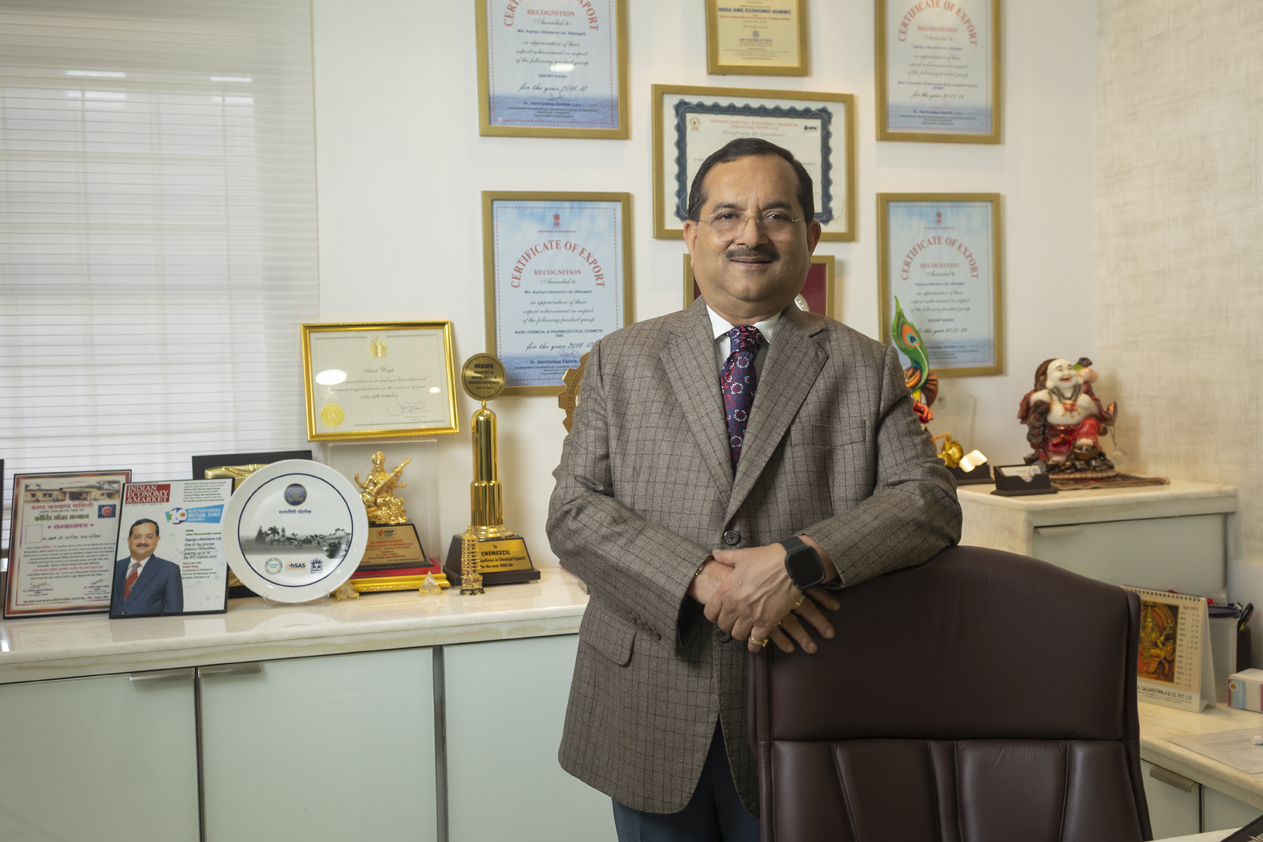
Ratan Tata has immensely inspired Dr Satish Wagh, a recipient of numerous accolades for his outstanding performance as an entrepreneur, exporter, and innovator. His extensive personal network and continuous rapport with people at the highest echelons brought about changes in the business of many chemical exporters. In business, he praises the Tata Group’s impeccable integrity, trust, and compassion, and he grapples with these values as he continues to expand his global relationships.
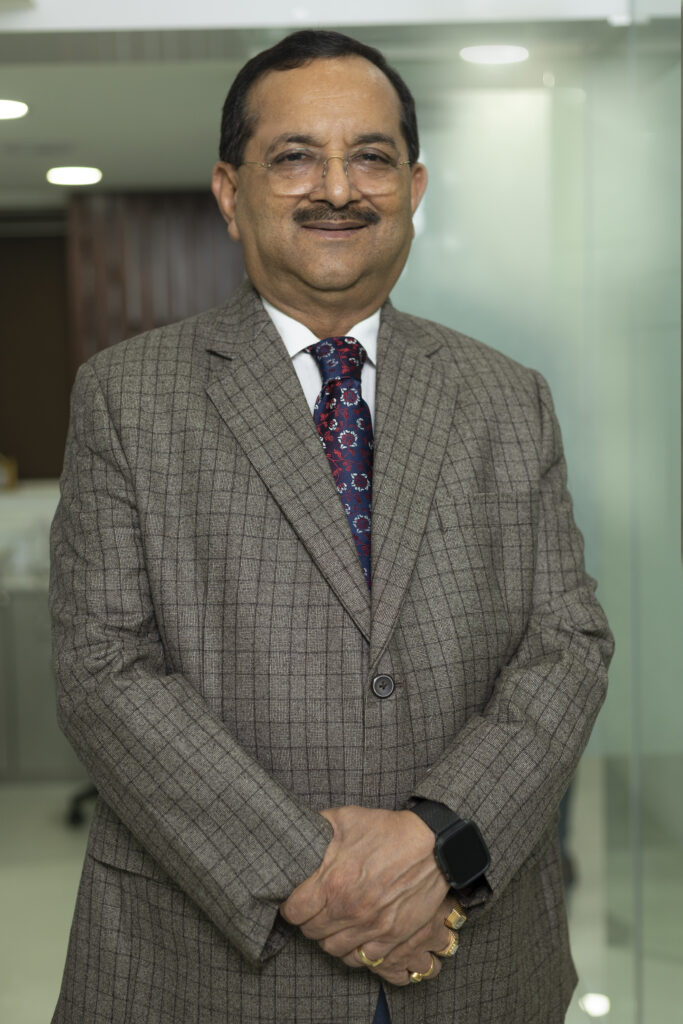
Dr Satish Wagh has an impressive repertoire of personal and professional achievements to open up when he sits for an interview. Life hasn’t changed for this double-graduate, who diversified his graduate study based on his understanding of professional prospects. Where there is a will, there is a way, he proves and presents for the new generation to learn from.
Very straightforward with no acting of a rich first-generation entrepreneur. Sitting on a flourishing business, he never rests on his laurels as an entrepreneur with a highly successful business on his hands. His success depends on the intrinsic value of his business, not on any notional valuation, unlike a PE-funded enterprise. He has excellent knowledge of the global API sector in which his business operates and understands the challenges faced by the Indian chemical industry in the global market. Over three decades, he has built his company brick by brick. He has dedicated significant time to promoting India’s chemical exports by serving as a member and leader of the industry’s export promotion council. That could help him reach out to Indian lawmakers, business delegates from foreign geographies, and regulators in the foreign markets. Even now, he maintains an excellent rapport with lawmakers in foreign lands and pharmaceutical veterans abroad.
He gives equal importance to everything from preserving a business card to making decisions in multi-billion-dollar companies. “I see value in each business card,” he said as we exchanged our business cards. Dr Satish underrates nothing and never changes his lifestyle and business principles in line with the changing times. Richness should not alter lifestyle, he believes, as he still maintains the same lifestyle even after being a multi-billionaire. He still recalls the days of travelling in Mumbai’s legendary western and central line local trains from one end to the other. “I still maintain a moderate lifestyle. Money has not compelled me to live an extravagantly luxurious life,” he tells while recalling his earlier days after his graduation in science. That makes him different from others.
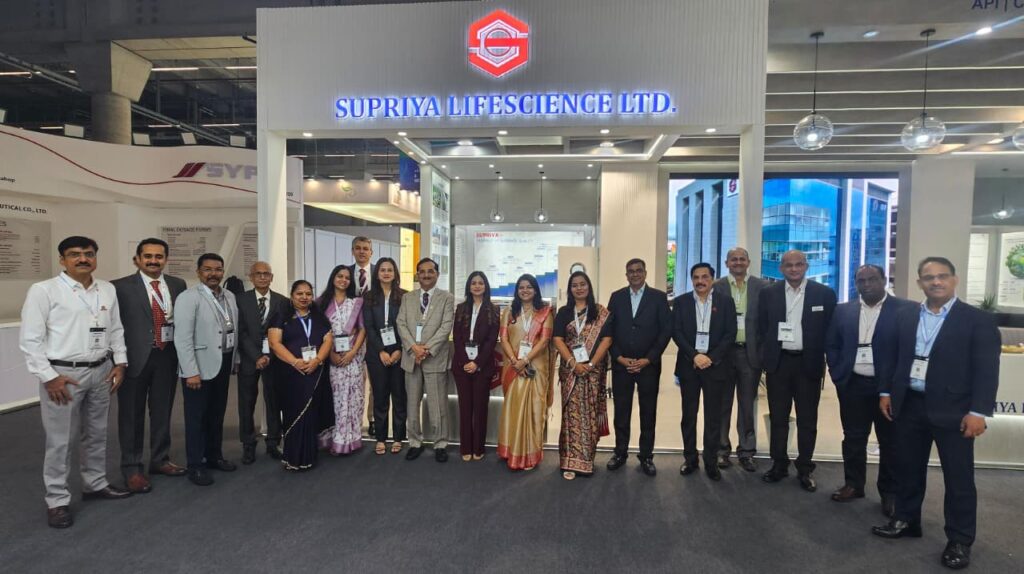
He believes it is not natural to crave a change in life when one becomes rich. Though he can afford the most luxurious lunch and dinner available in the best of Mumbai restaurants, he continues to love what he used to have. At the same time, he brought changes in the lives of thousands of people by creating a decent workplace and a platform for performing. They eventually contributed to the success of his business. His high-memory cell phone contains several thousand contacts, making the device a large data bank of business and diplomatic contacts. Every business runs on good relationships. Business delegates that he used to take to various countries while being in CHEMEXCIL enabled him to broaden his relationships. “I still keep many of the relationships and regularly communicate with them,” he avers. Good relationships remain forever.
Every modern business flourishes on the strength of relationships with people, Dr Satish Wagh rightly believes. “Personal contacts and business associations give us considerable knowledge of various sectors and help us explore possibilities in business,” he says while recalling his relationship with many entrepreneurs and his association with CHEMEXCIL (The Basic Chemicals, Cosmetics and Dyes Export Promotion Council), where he was chairman for many years. The Council was established by the Union Ministry of Commerce and Industry. As its chairman, he collaborated closely with the Union government, irrespective of the party in power, to develop export promotion strategies within the Council’s scope. This provided him with an opportunity to facilitate business for the Council members, address their grievances, and secure government support for exporters.
The Council comprises over 4,000 members, collectively generating more than $37 billion in export income each year. Dr Wagh’s efforts to establish CHEMEXCIL as a nodal agency for the REACH regulation have significantly assisted many member exporters in pre-registering and registering their products in quality-conscious EU countries. REACH is a European Community Agency responsible for the registration, evaluation, authorisation, and restriction of chemical substances. Registration can be costly for small Indian exporters, often making it inaccessible. Additionally, Dr Wagh advocated for the reimbursement of half of the registration fees, a benefit that was previously available only to pharmaceutical companies. His initiatives have enabled many agrochemical exporters to complete product registration in various foreign markets. As the pioneer of the Chemical Inventory Program, which has improved operations throughout the chemical industry, he boasts an extensive list of contributions to the Council. This program helps track the entire chemical inventory process and addresses the challenges associated with the storage, usage, and disposal of hazardous materials. It was with his hard work that he could ensure approval for zero discharge in three plants in Maharashtra worth Rs 100 crore to run on a PPP basis, which supported all the industries in Maharashtra. He continues to work for the common interest of the industries in Maharashtra. The expensive project of discharging treated effluent from industrial areas like Tarapur, Taloja, Lote, Roha to the deep sea is one such great work he did during his presence in CHEMEXCIL. For 24 years, he was on the board of the Council and worked constructively for the benefits of every member. Dr Wagh gave dynamic leadership to the Council, helping many of its members grow in business. In March 2019, he relinquished the position to focus on his business, chasing his entrepreneurship dreams.
Dr Wagh has sound knowledge of all the nuances of the chemical industries and regulatory framework in various markets. Naturally, his massive exposure supports him with considerable substance when he lectures on business and entrepreneurship in leading B Schools like IIM Ahmedabad, Symbiosis International University, Pune, and IIFT, Delhi.
A fortnight after he rang the listing bell of his flagship company, Supriya Lifescience Ltd (SLL) on the bourses, we sent in for an opportunity to meet him with a purpose. In no time, he replied with a clear message of his willingness to meet. However, suddenly, a meeting was lined up for him on that day. His office informed him of the change in his daily schedule and promised another time. Mumbai was simmering in the third wave of the pandemic. Dr Wagh takes up many responsible socio-economic roles besides his profession as an entrepreneur.
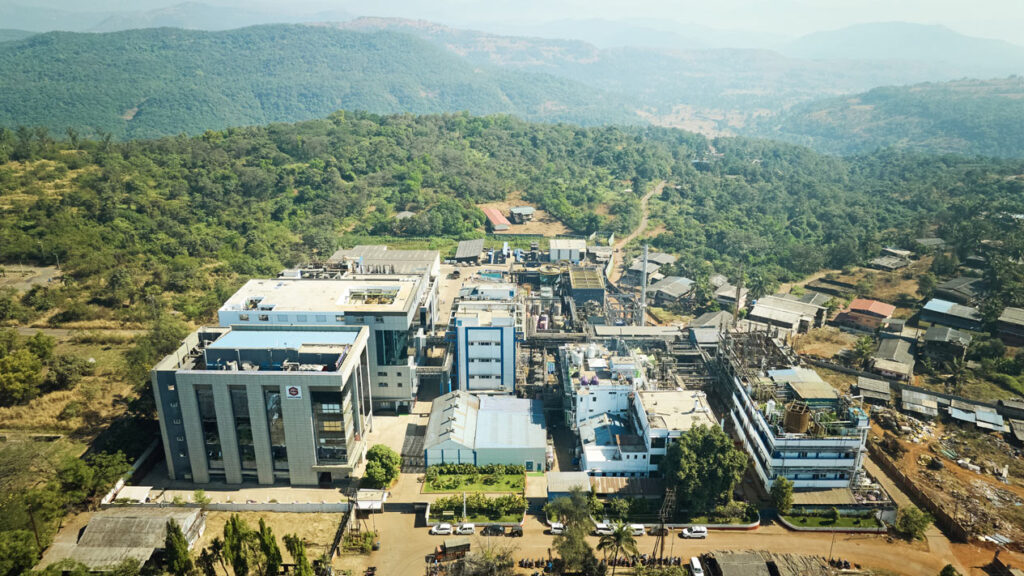
Supriya Lifescience came into existence in 1987 as a chemical trading company, though its actual movement began in 1996 after entering into pharmaceuticals. After his science graduation, he joined his uncle’s factory located in Mumbai’s faraway suburb of Ambernath for a salary of ₹110 a month with ₹8 for a second-class monthly season ticket in suburban train from Jogeshwari to Ambernath. His maternal uncle was in the pharmaceutical business. After his initial attempt at Arts graduation, he changed the track as the then prevailing demand from his uncle was for a science graduation that could help him in his business. He decided to study science so that he could support his uncle’s small chemical business. In the early 80s, because of Dr Datta Samant-led trade union strike in the Mumbai region, factories were closing and companies were moving out of Mumbai. That compelled his uncle to shift the factory from Ambernath to Chiplun in the Konkan region of Maharashtra. In Chiplun, as the new factory was set up, he got the chance to learn the basics of establishing a factory, right from land acquisition to machine installation, technology, business management, and marketing. After working for six years, he was earning a monthly salary of ₹1140 from his uncle’s factory. Meanwhile, he indicated his desire to his uncle to have a partnership in the business. Though his uncle readily agreed, he moved out to start his company in chemical trading. In 1986, he moved into Tarapur, where he identified a plot measuring 1500 sq meters. The land cost was ₹1.50 lakh.
His father was a government employee due for retirement in 1990. A service class person couldn’t afford to shell out that much money, his father convinced him. “No doubt, my father had to take care of my other siblings too,” he recalls. However, after six months, his father gave him ₹35,000. That was the time a square meter of land in Chiplun cost ₹250. Until the mid-90s, the trading business struggled due to frequent market crises, payment delays, a lack of trust in traders, and other uncertainties. Later, he set up a manufacturing unit. The journey thereafter was more hectic as he concentrated on building the company and working for the industry’s interests. Much has changed over the years. His multiple business approaches and overwhelming passion to build a large company ultimately ensured the fulfilment of his dream.
On 28th December 2021, his company, Supriya Lifescience, listed its stock for trading at an impressive price of ₹425. Before the listing, he valued his company at approximately ₹3200 crore based on his own calculations. Initially, merchant bankers were not ready to accept the value that he derived. But the listing of his company’s stock established a value much higher than his earlier estimate. The merchant bankers, who conducted due diligence for the initial public offering (IPO) that comprised 7.3 million fresh shares and 18.20 million offer-for-sale shares, had to revise their assessment of the company’s strength. The listing quote gave the shareholders a fabulous 55 per cent higher return on the offer price of ₹274. The stock price continued to soar in the following days. Dr Wagh, as a promoter, appears to have aimed for a different approach to pricing compared to other IPOs. Unlike many IPO promoters today who charge exorbitant premiums and take most of the company’s valuation for themselves, the promoters here chose not to extract all the value. Instead, they left room for new investors to earn potential returns.
“Because it was me who determined the price of the IPO to the new investors instead of letting the lead managers take the first and last calls. I had left enough space for investors to earn in return for their trust in the company’s business,” he replied. The listing price was higher than the premium quoted in the grey market.
Even when the overall equity market was passing through the sell-off phase following the exit of foreign portfolio investors that dragged the market down, Supriya’s stocks weathered the overall sentiment, making itself a blue chip in the investors’ portfolio forever. Stocks listed at an impressive price usually show the temptation of profit-booking in the early days of the post-listing. But its stocks continued to make the investors richer. The investors are luckier than the promoters, who put in 35 years to build the company that cheers investors now. Everything is in place for high growth. The company’s footprint in 120 geographies serving more than 2000 customers with over 40 Active Pharmaceutical Ingredients (API) promises huge business. Today, it is one of the success stories of a first-generation entrepreneur in the business landscape of Maharashtra.
Entrepreneurship is a career not only for economic gains but also for serving society in various ways, including by employing the local communities and providing charity aid, besides earning tax revenue for the state and central governments. He has also nursed a dream of providing employment opportunities for the people and the growth of the local economy.
In the financial year, the company recorded a turnover of ₹ 706 crore as against the previous year’s ₹570 crore. After a minor slippage in the first quarter of the current financial year due to the shutdown of the plant for maintenance, it showed an impressive 20 per cent growth in revenue in the second quarter (Q2). This reflected the company’s strong operational resilience. The EBITDA margin grew an impressive 36 per cent. As at the end of the second quarter of 2025-26, exports accounted for 81 per cent of the company’s revenues. This shows the company’s strong international market presence.
The company is making substantial progress in backward integration. The revenue reported in the Q2 period showed that 79 per cent of the revenues are now fully integrated. The strategy of enhancing operational efficiency has also worked well. With a significant enhancement in operational efficiency and expansion of the global market presence, the company’s target of crossing the ₹1000-crore mark in the next financial year comes well within its reach.
Supriya Lifescience has a presence on all the continents. It is penetrating further into more lucrative regions by meeting the strict quality control prevalent in the receiving markets. With approvals from the health authorities of the US, Europe, Latin America, Canada, Japan, China, and Australia, he is confident of holding on to the market position with the capability to endure any competition. Europe alone contributes more than a quarter of the company’s turnover. Latin America contributes more than 12 per cent. Of the total turnover, more than three-quarters comes from the foreign market, with Europe and Asia chipping in more than half the revenue. The domestic market contributes a quarter of its top-line. The top 10 customers generate more than one-third of the company’s revenue. Backward integration of API ensures a steady supply of intermediates. Its expansion plans are on.
Supriya Lifescience’s plant at Parshuram Lote in Maharashtra has approvals from competent international agencies like USFDA, EDQM, and EU GMP from AIFA of Italy, TGA of Australia, BfArM of Germany, KFDA of Korea, PMDA of Japan, SFDA of China, and COFEPRIS of Mexico. The largest exporter of chlorpheniramine maleate and ketamine hydrochloride from India, Supriya Lifescience is a leading API maker with a strong research base supported by 16 scientists. It focuses on diverse therapeutic segments such as antihistamines, analgesics, anaesthetics, vitamins, anti-asthmatic, and anti-allergic. The plant can scale up production once it identifies viable generic molecules, making the turnover of ₹1000 in 2026-27 more achievable. The company’s product pipeline consists of dextromethorphan hydrobromide (decongestant), pentoxifylline (xanthine derivatives), (S)-ketamine hydrochloride (analgesic, antipyretic, anaesthetic), phenylephrine hydrochloride (decongestant), allopurinol (anti-gout), and benfotiamine (diabetic neuropathy). Its presence in potential segments like pain management, capital-intensive R&D for vitamins, micronutrients, cardiovascular diseases, hypertension, and anti-gout medications ensures a strong market for growth. Graduated from two institutions in different subjects, he holds an honorary Doctorate in entrepreneurship from the Faculty of Management Studies, National American University.
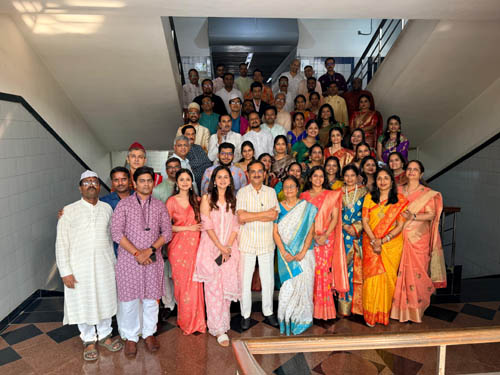
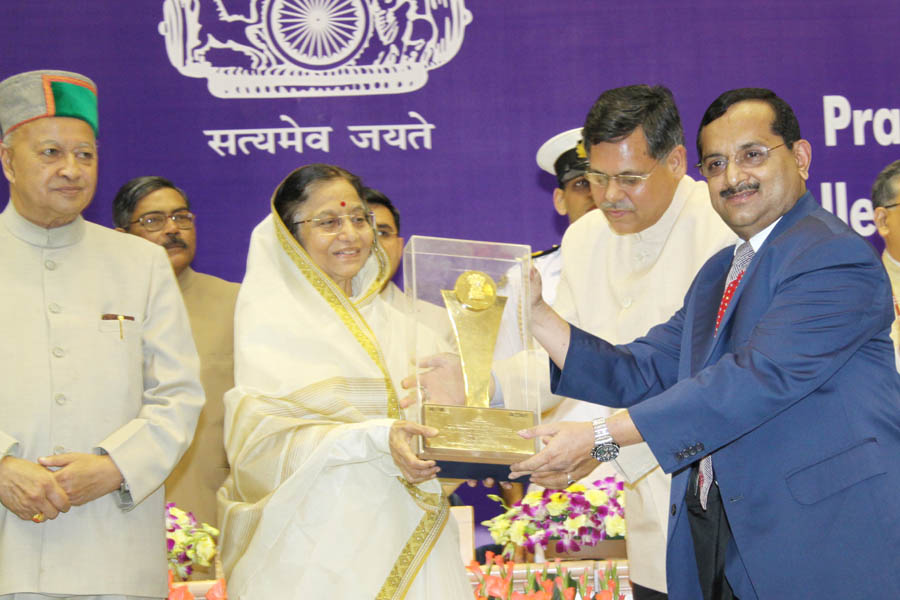
Dr Satish Wagh has won several national and state awards as an entrepreneur. The recipient of the National Award for R&D Effort in Small Industries 1999 by the Ministry of Small Scale Industries, National Award for Outstanding Entrepreneurship Efforts 2007 by the Ministry of MSME, National Award for Quality Products in Small Scale Sector for Manufacturing of Basic Drugs 2003 by the Ministry of Small Scale Industries, the list is too long. His company’s award-winning streak demonstrated its performance reliability and ability to withstand cyclical changes in the global API markets.
Besides many laurels for the company, Dr Wagh himself has been a winner of many coveted awards and accomplishments from the Prime Ministers and Presidents of India since 1999. Dr Wagh’s strategy of backward integration lifted the company’s fortunes. Eleven of the company’s existing products are developed through backward integration, which contributed roughly two-thirds of its current revenue. Backward integration reduces a company’s reliance on suppliers for essential materials. Supriya Lifescience has achieved a self-sufficient position across all its core businesses, embodying Dr Wagh’s vision of positively impacting the lives of people, as well as its customers and shareholders.
As an entrepreneur, Dr Wagh is keen to strengthen his business both in India and abroad. He is passionate about developing a 1500-acre pharmaceutical park and a 3500-acre chemical park in the coastal area near Mumbai. In his passion to expand his business empire, he upholds the principle of Ratan Tata, who inspires him to shape a vision for the future – a great vision for his flagship company.
