
Will heavy investments, capital-intensive innovations, and infrastructure development in the healthcare sector become unaffordable for the average person? This concern is growing, but there are also reasons for optimism in adopting traditional Indian ways of life. At the same time, the corporatisation of healthcare as a business has raised many questions. Worries about the affordability of care and the economic viability of running hospitals after significant capital expenditure are growing with equal intensity.
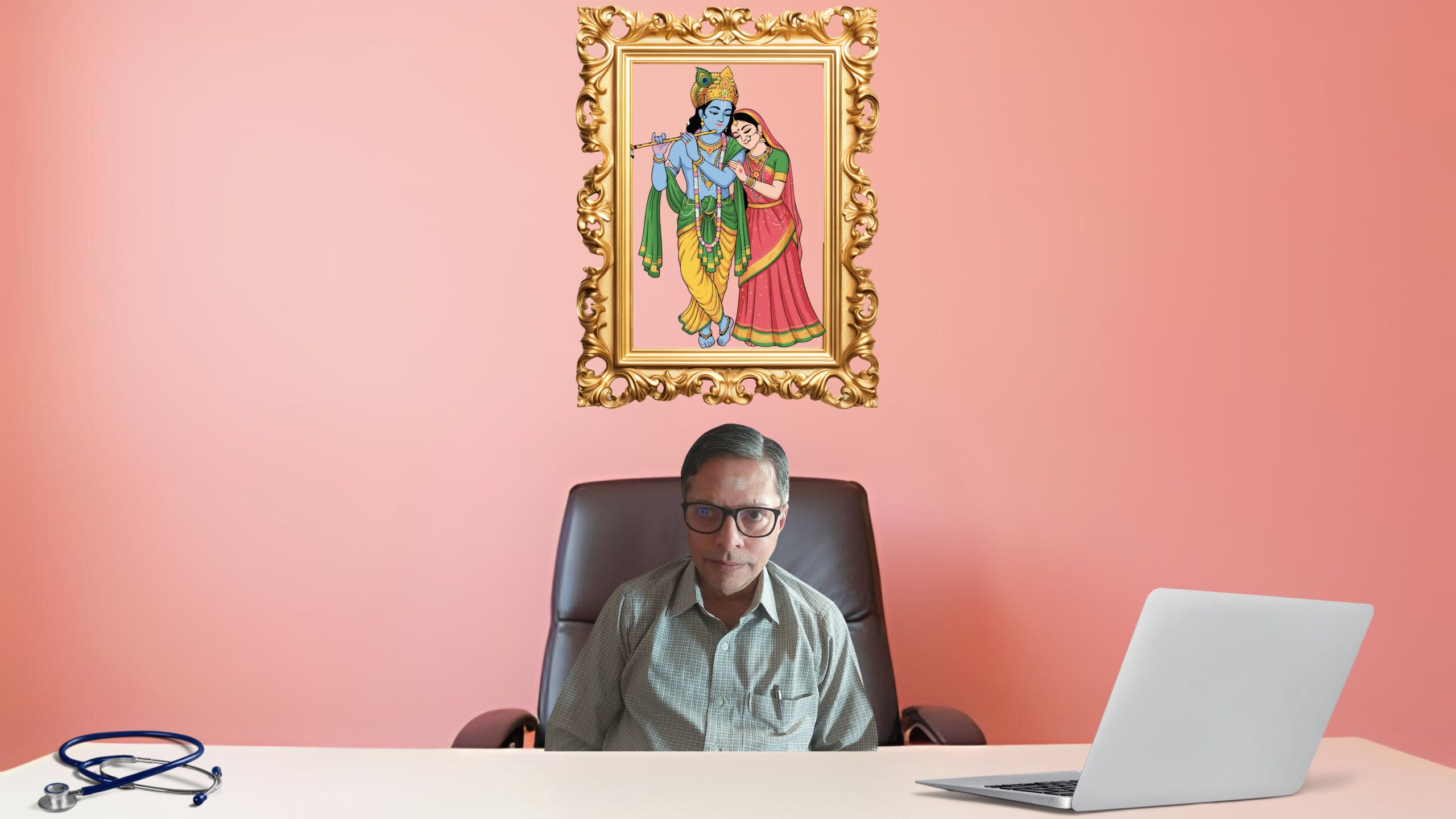
Changes in any sector generally benefit people, and healthcare is no exception. Technology-driven innovations in healthcare have significantly alleviated patient suffering. While we cannot ignore the potential advantages of corporatisation, we must also be mindful of the increasing burden of lifestyle diseases, which Dr Arunkumar says are due to “diseased lifestyle.” To alleviate our healthcare concerns, we should combine the wisdom of India’s ancient health sciences with the prudence of modern medicine. Dr Arun Kumar Suri, a paediatrician with over 35 years of experience, emphasises in an interview with Ecostar Business that adopting a holistic approach will enhance our quality of life. Excerpts:
Q: Do you think our healthcare system has undergone a drastic change in the last 25 years?
ANS: Yes, I see the healthcare system, especially modern medicine, has become more efficient, less painful and maybe unavoidably more expensive. Earlier, some surgeries were painful with longer hospitalisation.
The advances in medical technology have made surgical procedures less painful, leading to shorter hospital stays. Endoscopic surgery, in particular, has become popular because of its minimally invasive approach, offering greater comfort to patients. As we move forward, we can expect many more innovations that will make disease management easier. However, the challenge remains in adopting a holistic approach to treating disorders. This requires a comprehensive healthcare strategy that combines the best of modern medicine with traditional methods.
Q: Have you seen any benefits people have gained from shifting to the modern healthcare system, by keeping aside the traditional system that addresses the healthcare concern holistically? Do you think the entire healthcare system is undergoing a corporatisation?
ANS: People have gained immensely from the innovation and intervention of technology in modern medicine, besides managing surgical complications, as I mentioned above. Look at the achievements of plastic surgery, relatively a newer medical vertical. It is very popular now and has helped many people. Plastic surgery has done wonders in treating congenital abnormalities like cleft lip, palate and other deformities at birth, which otherwise couldn’t have been treated. This medical stream has saved the lives of many children, who otherwise could have been thrown into lifetime miseries.
Some degree of corporatisation in the healthcare sector is going on, and we cannot rule out these necessities. We have a huge middle-class population. But how many of them would go to a government hospital for treatment? Many people prefer private hospitals because of the poor maintenance of government hospitals, although there have been some improvements recently. Many people prefer private hospitals due to the general poor maintenance of government hospitals, although improvements have been made recently. If private hospitals offer quality treatment, a friendly approach, and a clean environment, people will naturally prefer them. In the commercial aviation sector, there are both economy and business classes.We cannot say we do not need a business class. We need both classes.
Running a hospital is not a joke. It requires a huge capital. Its management is very complicated. We need to strike a balance by uniting those with financial resources and a humanitarian mindset to provide quality medical care, ensuring people’s health and happiness.
Q: What are the major concerns of people about the modern healthcare system?
ANS: Unfortunately, in today’s treatment system, there is little emphasis on mental health. We are witnessing a shift toward emphasising psychiatric care in disease management. The demand for mental healthcare is increasing.
In modern medicine, also referred to as allopathy, the definition of health does not include the spiritual dimension of man. Even this is also gradually changing. Many psychiatrists recognise the spiritual aspect as a key area for sustained treatment success. Throughout history, our ancestors have taught us that spiritual well-being contributes to physical health. This wisdom is part of our time-tested ancient system.
Q: Do you think it is time to have some synergy between modern medicine and traditional medicine when the world is demanding a holistic treatment or comprehensive healthcare solution simultaneously for disease management and prophylactic care? Where do you see a major difference between modern medicine and Ayurveda?
ANS: India’s Ayurveda primarily gives importance to rejuvenating a patient to fight diseases. Let us look at what Ayurveda says, “Swasthasya Swasthya Rakshanam Aturasya Vikara Prashamanam”, which means maintain the health of the healthy and cure the diseased.
Ayurveda’s definition of health is more comprehensive than the definition of WHO. There is no place for spirituality (inner well-being) in the WHO definition. The Ayurveda says:
Samadosha samagnishcha samadhatu mala kriyaaha:
Prasanna atmenindriya manaha swasthya ityabhideeyate I
It defines health as a holistic state of physical, mental, and spiritual well-being, beyond merely the absence of disease. I think you can omit this sentence. Psychiatrists in general are not yet comfortable with this definition. There is abundant information on this topic, and you can see that modern medicine is evolving by embracing holistic health management. However, it may still take some time before modern medicine fully aligns with this comprehensive definition in its approach to disease management.
These days, people are worried about doctors resorting to unethical practices. Every human being has a temptation. There are good and bad human beings. Everyone is crazy about making money. Every profession sees someone resorting to unethical practices. The medical profession is no exception to this variant of human nature.
Q: The lifestyle disease has become a permanent market for pharma companies and modern hospitals, which are investing heavily with an expectation of reaping huge dividends from expanding lifestyle diseases—your observation.
ANS: The rise of lifestyle diseases is a major concern. I always say a diseased lifestyle leads to lifestyle diseases. We must understand what a healthy lifestyle is.
Dharma is the way we are supposed to live, and it does not mean just visiting a temple or going on a pilgrimage. Dharma is our lifestyle. It ultimately leads to achieving moksha, which means liberation from all maladies to a transcendent life. That is possible only through observing disciplined ways of life and dietary habits. These days, people eat a lot of unhealthy food. Traditional Indian food is very healthy. If we know what to eat and consume food that is suitable for our bodies, we are less likely to suffer from diseases.Scientists have also confirmed that unhealthy food is the primary cause of many diseases. Lack of exercise is another reason for disease. It has become more acute as people become addicted to cell phones and other modern gizmos. Of course, newer gizmos have brought many benefits, but their overuse may lead to disastrous results.
Many children do not exercise at all as they are overly engaged with cell phones and harmful games. It is ridiculous to call children watching the act of suicide a game. At the same time, we neglect the inevitability of spiritual rejuvenation for children. It is affecting the health of the next generation. Meditation is the best way to rehabilitate children from the trap of absurd games and addiction to cell phones. While the whole world is talking about yoga as the proven way to a healthy, happy and productive life, we cannot continue to turn a blind eye to the danger of burdening the next generation with lifestyle diseases. Let us combine the wisdom of our ancient health science and the prudence of modern medicine to ensure a more productive, happier and healthier generation.
This is the only way to save ourselves from all the concerns of lifestyle diseases and worries of making India a permanent market for unethical pharma companies and corporate hospitals. Let them invest where there is room for serving the people, and let us adopt what is prudent. There is a need for philanthropic minds to come together to establish healthcare centres at an affordable cost, simultaneously taking care of the economic concerns of those who are providing healthcare services.
Blurb
“Parenting is much more than providing your child with food, clothes, shelter and toys and expecting her/him to get good grades in school. It involves understanding the strengths and weaknesses of the child, helping the child realise his or her full potential and making him or her a responsible person capable of leading a dignified life based on human and spiritual values.”
Dr Arun Kumar Suri
Paediatrician
